March 2-5, 2026 | Barcelona
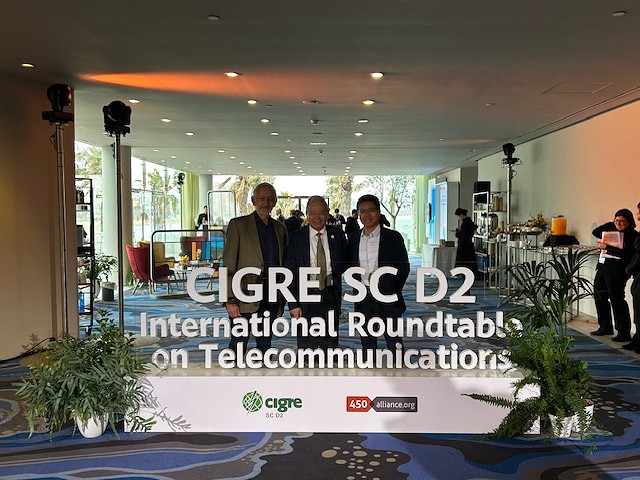
As part of EUTC’s mission to foster dialogue between the telecommunications and utility sectors, the association once again participated in the Mobile World Congress 2026 in Barcelona, held from March 2 to 5. During the week, EUTC was also involved in the CIGRE SC D2 International Roundtable on Telecommunications, jointly organised by CIGRE and the 450 MHz Alliance, which took place in parallel with the congress.
The Association was represented in both events by Adrian Grilli, EUTC Technology Advisor, and Vincent Audebert, Board Member and 5G & IoT Expert at EDF. They had the opportunity to engage with key stakeholders and participated in high-level discussions at the forefront of digital innovation.
About the Mobile World Congress
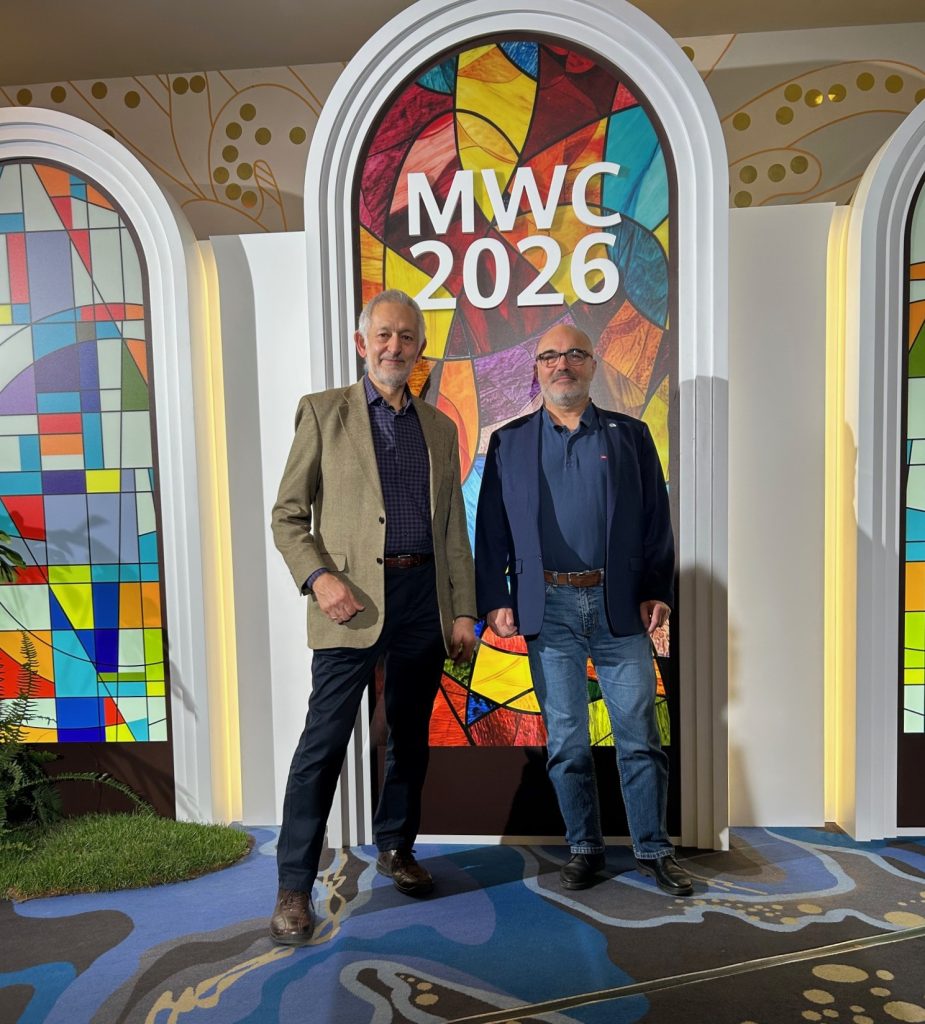
Mobile World Congress stands as one of the most influential global gatherings for the telecommunications and technology sectors, bringing together industry leaders, policymakers and innovators to explore the latest advancements in connectivity, digital transformation and infrastructure. Each year, MWC convenes tens of thousands of participants from across the globe to discuss key developments shaping the digital economy.
The 2026 edition focused in particular on the theme of “The IQ Era”, highlighting the growing integration of artificial intelligence with connectivity and digital infrastructure. Discussions centred on topics such as AI-driven networks, intelligent digital infrastructure, the evolution of 5G and the pathway towards 6G, satellite-to-device connectivity, and the role of telecommunications in enabling resilient and innovative digital ecosystems across industries.
About the CIGRE SC D2 International Roundtable on Telecommunications
The CIGRE workshop provided a platform to present EUTC’s work within the International Telecommunication Union (ITU) and contribute to discussions on how telecommunications solutions can support the monitoring and control of utility networks.
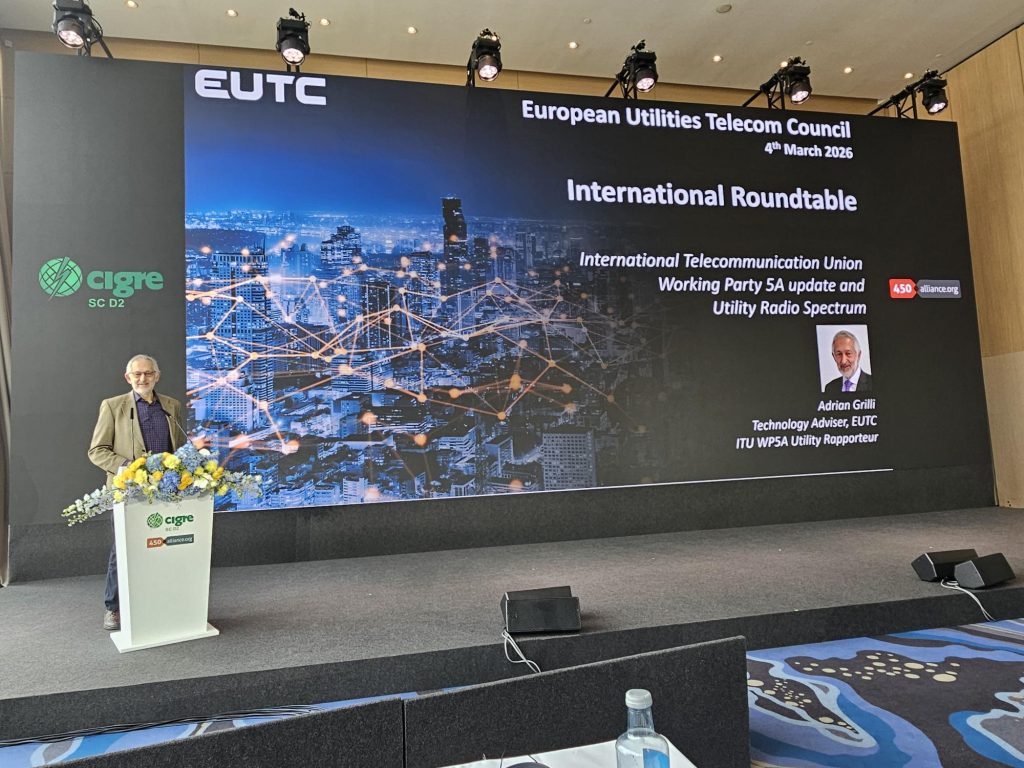
The session addressed the challenges of applying telecommunications to the monitoring and control of utility networks. Particular attention was given to the need for highly reliable, secure, and low-latency communication systems capable of supporting real-time grid operations and critical infrastructure management. Participants discussed how increasing digitalisation and the growing use of sensors, smart devices, and automated systems require robust telecommunications architectures to ensure continuous data exchange between control centres and field equipment.